
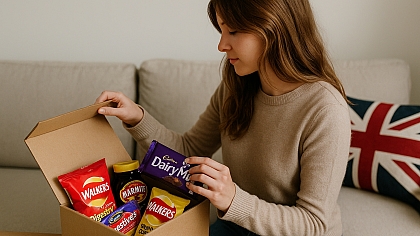

Bulk Personalised Souvenirs for Events & Businesses
Bulk personalised souvenirs help organisations create memorable experiences, strengthen brand recognition, and provide useful keepsakes for customers, visitors, employees, and event attendees.
Choosing the right products requires more than selecting an item and adding a logo. Buyers need to consider the audience, purpose, materials, design choices, production methods, order quantities, and delivery requirements.
Choosing Custom Products for Events and Businesses
Businesses, tourism operators, schools, charities, and event organisers often search for bulk souvenirs because they need products that represent their identity while remaining practical and cost-effective. The best choices balance appearance, usefulness, quality, and budget.
Key points to consider:
- Bulk personalised souvenirs are most effective when the product matches the event's purpose and audience.
- Design choices such as colours, patterns, and finishes influence how people perceive a brand or organisation.
- Order quantity, production method, and material selection affect pricing and delivery times.
- Common mistakes include choosing unsuitable products, ignoring lead times, and focusing only on unit cost.
- Successful souvenir programmes combine practical products with thoughtful branding.
The Role of Bulk Personalised Souvenirs in Brand Recognition & Events
Bulk personalised souvenirs are customised items purchased in larger quantities for distribution at events, promotions, visitor attractions, educational programmes, and business campaigns. Unlike ordinary merchandise, these products carry a connection to a specific organisation, location, occasion, or message.
The main purpose of a souvenir is not only to remind someone of an event or place. A well-designed item creates repeated exposure because people continue using, displaying, or sharing it after the original interaction.
For example, a visitor receiving a personalised souvenir at a tourism attraction may associate that item with their experience years later. A company giving branded products at a trade event creates another opportunity for customers to remember its services. Schools and charities often use customised products to build community identity and encourage participation.
The importance of personalised souvenirs comes from several factors:
Creating lasting connections
Digital advertising disappears quickly. Physical products remain in homes, offices, bags, and personal spaces. A useful souvenir can continue communicating a message long after an event ends.
The effectiveness depends heavily on product choice. A product that people actually use has more value than an item that is quickly discarded.
Examples include:
- Keyrings for travel-related events
- Custom notebooks for conferences
- Branded accessories for corporate campaigns
- Educational products for schools
- Creative items for family attractions
The product should fit the environment where it will be used.
Supporting business and marketing goals
Many organisations use personalised souvenirs as part of wider marketing strategies. They may support:
- Brand awareness
- Customer appreciation
- Employee engagement
- Event attendance
- Tourism promotion
- Fundraising activities
A company attending an exhibition, for example, may use custom promotional products to create additional touchpoints with visitors. The product becomes part of the conversation rather than simply an advertisement.
The influence of design choices
A souvenir represents the organisation that distributes it. Colours, typography, imagery, and materials all affect perception.
Colour selection is particularly important because colours influence recognition and emotional response. Organisations should consider existing brand colours, event themes, and audience expectations before finalising designs.
The difference between cheap products and valuable products
Price is an important consideration for bulk purchasing, but the cheapest option does not always provide the best value.
A low-quality souvenir can create a negative impression if it breaks easily, looks poorly finished, or does not meet the organisation’s standards.
Buyers should consider:
- Expected lifespan
- Product usefulness
- Printing or engraving quality
- Material durability
- Customer expectations
The goal is not simply to distribute the largest number of products. The goal is to provide something appropriate for the people receiving it.
The Components Behind Effective Personalised Souvenir Production
Creating bulk personalised souvenirs involves several connected stages. Each decision affects the final product, cost, and customer experience.
Understanding these components helps buyers avoid problems during ordering.
Product Selection and Audience Requirements
The first decision is choosing the right product category. The best option depends on who will receive the item and why.
A corporate audience may prefer practical products used at work. Tourists may want items connected to a location or memory. Children attending an educational event may respond better to colourful and interactive products.
Important questions include:
- Who will receive the product?
- Where will it be distributed?
- How long should it last?
- Does the item need to be functional or decorative?
- Does it need to represent a specific theme?
A tourism business may choose location-based souvenirs, while a company launching a campaign may prioritise products that keep its logo visible.
Materials and Manufacturing Methods
Materials affect appearance, durability, cost, and environmental impact.
Common souvenir materials include:
Plastic
Plastic products are widely used because they allow detailed shapes, colours, and affordable production at higher quantities.
Advantages:
- Lower production costs
- Wide range of designs
- Lightweight shipping
Considerations:
- Quality varies significantly
- Some buyers may prefer alternative materials
Metal
Metal products often create a stronger premium impression.
Advantages:
- Durable
- Professional appearance
- Suitable for engraving
Considerations:
- Higher costs
- Increased weight
Fabric
Fabric products are common for wearable items and accessories.
Advantages:
- Flexible designs
- Comfortable
- Suitable for logos and patterns
Considerations:
- Quality depends on fabric type and printing method
Paper and card products
Paper-based souvenirs work well for educational, promotional, and creative purposes.
Advantages:
- Affordable
- Easy to customise
- Lightweight
Considerations:
- Less durable than other materials
The right material depends on the intended experience rather than only the purchase price.
Personalisation Methods and Design Accuracy
Personalisation can be created using several techniques. The correct method depends on the product material, design complexity, and quantity.
Common methods include:
Printing
Printing works well for detailed graphics, photographs, and colourful designs.
Suitable for:
- Logos
- Illustrations
- Patterns
- Promotional messages
Engraving
Engraving creates a permanent mark by removing or altering the surface material.
Suitable for:
- Metal products
- Premium gifts
- Long-lasting branding
Embroidery
Embroidery adds a textured appearance to fabric products.
Suitable for:
- Clothing
- Bags
- Fabric accessories
Moulding and shaped production
Some products are manufactured with custom shapes or designs during production.
Suitable for:
- Large orders
- Unique branded items
- Character designs
The design process should consider how the artwork will appear on the final product. A logo that looks clear on a computer screen may not work well on a small souvenir.
Colour Selection and Visual Identity
Colour plays a major role in souvenir design because it affects recognition and overall appearance.
Organisations should consider:
- Existing brand guidelines
- Target audience preferences
- Event themes
- Cultural associations
- Product material limitations
For example, a bright colour scheme may suit a children's attraction, while a professional conference may require a more restrained palette.
Creative industries often demonstrate how colour combinations influence perception. Design inspiration from areas such as nail art shows how different finishes, contrasts, and patterns can change the visual impact of a product.
Resources such as ManiGlitz provide examples of how colour combinations and decorative details are used creatively in nail art design, which can inspire broader visual concepts.
Order Quantity and Production Planning
Bulk ordering changes the production process compared with buying individual products.
Larger quantities often reduce the cost per item, but they require more planning.
Buyers should consider:
- Minimum order quantities
- Production time
- Artwork approval periods
- Packaging requirements
- Storage space
- Delivery schedules
A common mistake is ordering too close to an event date. Custom products require time for design approval, manufacturing, quality checks, and shipping.
A realistic timeline should include extra time for unexpected delays.
Five Practical Applications of Bulk Personalised Souvenirs

Corporate Events and Business Conferences
Corporate events often use bulk personalised souvenirs to improve attendee experience, reinforce company identity, and create a physical reminder of the event. Conferences, exhibitions, product launches, and networking events commonly include branded products as part of the attendee package.
The main challenge is choosing items that suit a professional audience while remaining useful after the event.
Specific Constraints
Corporate buyers usually work within strict requirements:
- The product must represent the company professionally.
- The item needs to fit within an event budget.
- Delivery must meet a fixed event date.
- Branding must match company guidelines.
- Quantities may change depending on registration numbers.
A conference with hundreds or thousands of attendees requires reliable production and consistent quality. A small difference in colour, printing position, or material quality can become noticeable when products are distributed at scale.
Common Mistakes
One common mistake is selecting products based only on the lowest unit price. A cheaper item may fail to create a positive impression if it feels disposable or unsuitable for the audience.
Other mistakes include:
- Choosing products that attendees do not use.
- Adding too much branding makes the product look like an advertisement.
- Ignoring how the product will be transported and distributed.
- Approving artwork without checking the final product size.
Practical Advice
Corporate souvenirs work best when they solve a small problem or add convenience.
Examples include:
- Notebooks for conferences
- Useful desk accessories
- Travel items for international events
- Creative products connected to company campaigns
Consider how attendees will interact with the product after the event. A useful item creates repeated brand visibility without requiring additional marketing effort.
Tourism Attractions and Visitor Experiences
Tourism businesses, museums, visitor centres, and cultural attractions rely heavily on souvenirs because they extend the visitor experience beyond the visit itself.
A souvenir represents a memory of a location. The product needs to connect emotionally with the destination while remaining practical for visitors.
Specific Constraints
Tourism-related buyers must consider:
- Visitor demographics
- Seasonal demand
- Storage requirements
- Shipping limitations
- Local identity
- Different visitor expectations
A visitor attraction may need products suitable for families, international tourists, school groups, and local visitors at the same time.
Size and weight also matter. Travellers often prefer souvenirs that are easy to carry in luggage.
Common Mistakes
Tourism organisations sometimes choose products that do not reflect the location or visitor experience.
Common problems include:
- Generic products with little connection to the destination.
- Designs that do not represent local culture.
- Products that are too fragile for travel.
- Limited consideration of different age groups.
Practical Advice
Successful tourism souvenirs usually combine three elements:
- A clear connection to the destination.
- A useful or attractive design.
- Good quality that reflects the value of the experience.
Colour and visual identity are particularly important for tourism products. A carefully selected colour palette can help communicate the feeling of a place, whether the theme is historical, natural, modern, or playful.
Schools, Universities, and Educational Organisations
Educational institutions use personalised souvenirs for fundraising, celebrations, student activities, and community building.
Products may be distributed during graduation ceremonies, open days, sports events, school trips, or anniversary celebrations.
Specific Constraints
Schools and universities often need to balance:
- Limited budgets
- Large groups of recipients
- Safety requirements
- Age suitability
- Accessibility
- Delivery deadlines
Products for younger students need different considerations compared with products aimed at university students or alumni.
Common Mistakes
A frequent mistake is selecting products without considering how students will actually use them.
Examples:
- Choosing items that are unsuitable for the age group.
- Using complicated designs that do not reproduce well.
- Ordering quantities without considering future demand.
- Ignoring student preferences.
Practical Advice
Educational souvenirs should focus on identity and belonging.
Effective options often include:
- School-branded keepsakes
- Graduation items
- Creative activity products
- Event-specific merchandise
The design should represent the institution clearly without overwhelming the product.
Creative design elements can improve engagement. Colour combinations, patterns, and decorative ideas from areas such as nail art design can inspire when creating visually appealing educational merchandise.
Charity Campaigns and Fundraising Events
Charities frequently use personalised products to increase awareness and support fundraising activities.
A well-designed product can help supporters feel connected to a cause and encourage wider recognition.
Specific Constraints
Charities often need to manage:
- Cost efficiency
- Donor expectations
- Ethical sourcing considerations
- Clear messaging
- Limited campaign timelines
Every cost must be carefully considered because funds need to support the organisation’s main purpose.
Common Mistakes
Common issues include:
- Producing products without a clear distribution strategy.
- Prioritising quantity over usefulness.
- Creating designs that do not communicate the cause effectively.
- Ignoring storage and fulfilment requirements.
Practical Advice
Charity souvenirs should communicate meaning clearly.
The strongest designs usually include:
- A recognisable symbol
- A clear message
- Appropriate colours
- A product people want to keep
Products that supporters use publicly can also increase awareness by introducing the organisation to new audiences.
Retail Businesses and Promotional Campaigns
Retailers often use personalised souvenirs and promotional products to strengthen customer relationships, support launches, or create seasonal campaigns.
These products can be sold, included with purchases, or used as loyalty incentives.
Specific Constraints
Retail buyers need to consider:
- Customer expectations
- Profit margins
- Packaging requirements
- Product consistency
- Inventory management
Unlike one-time events, retailers may need products that remain relevant over longer periods.
Common Mistakes
Retail businesses may make mistakes such as:
- Choosing products that do not match their brand.
- Ordering too much stock without testing demand.
- Using inconsistent branding.
- Ignoring packaging presentation.
Practical Advice
Retail promotional products should complement the customer experience.
The product should feel connected to the brand rather than simply displaying a logo.
For example:
- A creative brand may use colourful, artistic products.
- A premium retailer may choose higher-quality materials.
- A family-focused business may choose practical and engaging items.
Comparing Bulk Personalised Souvenir Options
Different souvenir categories suit different purposes. The right choice depends on audience, budget, expected lifespan, and branding requirements.
| Product Category | Best For | Advantages | Limitations |
|---|---|---|---|
| Keyrings and small accessories | Tourism, events, promotions | Affordable, easy to distribute, lightweight | Limited design space |
| Custom stationery | Conferences, schools, businesses | Practical and frequently used | Less suitable for purely decorative purposes |
| Decorative products | Attractions, gifts, creative campaigns | Strong visual appeal | May have limited everyday use |
| Fabric items | Clothing, bags, branded merchandise | Large branding area | Quality depends on the material |
| Collectible souvenirs | Tourism and special events | Creates emotional value | Requires stronger design planning |
| Creative activity products | Schools, family events | Interactive and memorable | Audience-specific |
Choosing Between Functional and Decorative Souvenirs
Functional products are usually used more frequently, which can increase brand exposure.
Examples:
- Pens
- Notebooks
- Bags
- Accessories
Decorative products focus more on emotional connection.
Examples:
- Collectible items
- Display pieces
- Themed souvenirs
Neither category is automatically better. The correct option depends on the reason for distribution.
A tourism attraction may benefit from a collectible item because visitors want a memory of their trip. A business conference may benefit more from practical products that attendees continue using.
Custom Production Methods Compared
| Method | Suitable Products | Strengths | Considerations |
|---|---|---|---|
| Digital printing | Colourful designs, detailed artwork | Handles complex graphics | Surface compatibility matters |
| Screen printing | Larger quantity orders | Cost-effective at scale | Fewer colour options in some cases |
| Engraving | Premium products | Long-lasting finish | Limited colour variation |
| Embroidery | Fabric products | Professional appearance | Works best with suitable materials |
| Custom moulding | Unique shapes | Creates distinctive products | Requires more planning |
The production method should match the design objective. A complex illustration may require a different approach from a simple company logo.
Advanced Considerations for Bulk Personalised Souvenirs
Experienced buyers understand that successful souvenir programmes depend on details beyond product selection and branding. Large orders involve planning decisions that affect quality, cost control, customer satisfaction, and delivery reliability.
Supplier Communication and Artwork Preparation
Clear communication between the buyer and supplier reduces errors. A production team needs accurate information before manufacturing begins.
Important details include:
- Final artwork files
- Correct logo versions
- Required colours
- Product dimensions
- Quantity requirements
- Packaging instructions
- Delivery location
Artwork preparation is especially important for products with small printing areas. A design that works well on a website banner may not translate effectively onto a small item.
Professional buyers review:
- Logo readability
- Text size
- Colour contrast
- Image resolution
- Placement accuracy
Approving a digital mock-up before production helps identify problems early.
Sustainable Materials and Responsible Purchasing

Environmental considerations have become increasingly important for organisations ordering promotional products and souvenirs.
Many buyers now consider:
- Material sourcing
- Product lifespan
- Packaging waste
- Recyclability
- Production methods
A longer-lasting product can often provide better value because it remains useful for a longer period.
Sustainable purchasing does not mean choosing a product based only on the material label. Buyers should consider the complete product lifecycle:
- How it is manufactured
- How long will it be used
- Whether it creates unnecessary waste
- Whether the recipient will value it
A poorly designed sustainable product that is never used may have less practical value than a durable item that people keep for years.
Colour Accuracy and Brand Consistency
Colour management becomes more complex when producing physical products.
Digital screens display colours differently from printed materials, fabrics, plastics, and other surfaces. A company’s official brand colours may appear slightly different depending on the production method.
Important considerations include:
- Material colour differences
- Printing limitations
- Lighting conditions
- Colour matching systems
Organisations with established branding should provide approved colour references rather than relying only on screenshots.
Colour planning also affects emotional response. A souvenir designed for a children's event may benefit from bright, energetic combinations, while a corporate product may require a more formal appearance.
A colour palette resource, such as Colorik, can help teams evaluate colour combinations before finalising product designs.
Product Testing and Quality Control
Large orders amplify small problems. A mistake affecting one product becomes a major issue when thousands of units are produced.
Quality checks should consider:
- Print clarity
- Product durability
- Colour consistency
- Packaging condition
- Quantity accuracy
For important events, requesting a sample before full production can reduce risk.
Common quality issues include:
- Incorrect logo placement
- Faded printing
- Damaged packaging
- Different colours between production batches
- Missing quantities
A short quality review process can prevent expensive replacements or even problems.
Common Mistakes and Misunderstandings About Bulk Personalised Souvenirs

Assuming the Cheapest Product Provides the Best Value
The lowest price per unit is not always the most economical choice.
A cheaper product may create additional costs through:
- Higher replacement rates
- Negative customer impressions
- Poor engagement
- Excess unused stock
Value comes from balancing price, quality, usefulness, and suitability.
A product costing slightly more may create a stronger impression and achieve better results.
Believing Every Audience Wants the Same Type of Souvenir
Different groups have different expectations.
A corporate executive, school student, tourist, and charity supporter may respond differently to the same product.
Before ordering, consider:
- Age group
- Interests
- Location
- Event purpose
- Cultural factors
A successful souvenir feels relevant to the recipient.
Ignoring Production and Delivery Times
Custom products require several stages:
- Design preparation
- Artwork approval
- Production
- Quality checks
- Packaging
- Delivery
Waiting until the last moment creates unnecessary pressure and reduces available options.
Buyers should establish deadlines early and allow additional time for unexpected issues.
Adding Too Much Information to the Design
A common mistake is trying to include every possible message on a small product.
Effective souvenir designs usually focus on:
- One clear logo
- One main message
- Simple visual elements
Small products have limited space. A clean design is often more recognisable than a crowded one.
Treating Souvenirs Only as Advertising
A personalised product should provide value to the recipient.
People are more likely to keep items that are:
- Useful
- Attractive
- Comfortable
- Connected to a positive experience
A product that feels like a simple advertisement may have limited impact.
A Practical Method for Choosing the Right Bulk Personalised Souvenirs
Selecting the right product becomes easier when decisions follow a clear process.
Step 1: Define the Purpose
Start by identifying why the souvenirs are needed.
Possible goals include:
- Promoting a business
- Celebrating an event
- Supporting fundraising
- Creating visitor memories
- Rewarding customers
- Building community identity
The purpose determines the appropriate product type.
Step 2: Identify the Audience
Consider who will receive the product.
Questions to answer:
- What age group is the audience?
- What interests do they have?
- Will they use or display the item?
- What quality level do they expect?
Audience understanding prevents unsuitable choices.
Step 3: Set Practical Requirements
Define:
- Quantity needed
- Budget range
- Delivery deadline
- Required personalisation method
- Packaging requirements
These details narrow down suitable options.
Step 4: Select Product Categories
Compare products based on:
- Usefulness
- Durability
- Appearance
- Cost
- Brand suitability
Avoid choosing a product simply because it is popular. A popular item may not fit your specific audience.
Step 5: Review Design and Production Details
Before approving production:
- Check artwork accuracy
- Confirm colours
- Review product samples if needed
- Confirm quantities
- Verify delivery arrangements
This final stage protects the investment and reduces mistakes.
Common Questions About Bulk Personalised Souvenirs
What are bulk personalised souvenirs?
Bulk personalised souvenirs are customised products ordered in larger quantities for events, businesses, organisations, and promotional activities. They usually include branding, messages, designs, or details connected to a specific organisation or occasion.
They are commonly used for conferences, tourism attractions, schools, charities, and marketing campaigns.
How many personalised souvenirs should a business order?
The correct quantity depends on the purpose, audience size, and distribution method.
Businesses should consider:
- Expected attendance
- Additional stock requirements
- Future use
- Storage capacity
Ordering slightly more than the expected requirement can be useful for unexpected demand, but excessive stock creates unnecessary costs.
What makes a personalised souvenir effective?
An effective souvenir combines:
- A relevant product choice
- Clear branding
- Good quality
- Practical usefulness
- Appropriate design
The strongest products create a positive connection between the recipient and the organisation.
How important are colours in souvenir design?
Colours influence recognition, emotional response, and overall appearance. Consistent colour choices help organisations maintain a clear identity across different products.
Businesses should consider existing branding, audience expectations, and product limitations when selecting colours.
Are personalised souvenirs suitable for small organisations?
Yes. Small businesses, community groups, schools, and charities can benefit from personalised products when they select items that match their goals and audience.
The most effective approach is choosing a product that provides genuine value rather than ordering large quantities without a clear purpose.
LEAVE A COMMENT




0.2031